29.01.2026
Cartagena: Reinterpreting urban planning through Superblocks and digital monitoring
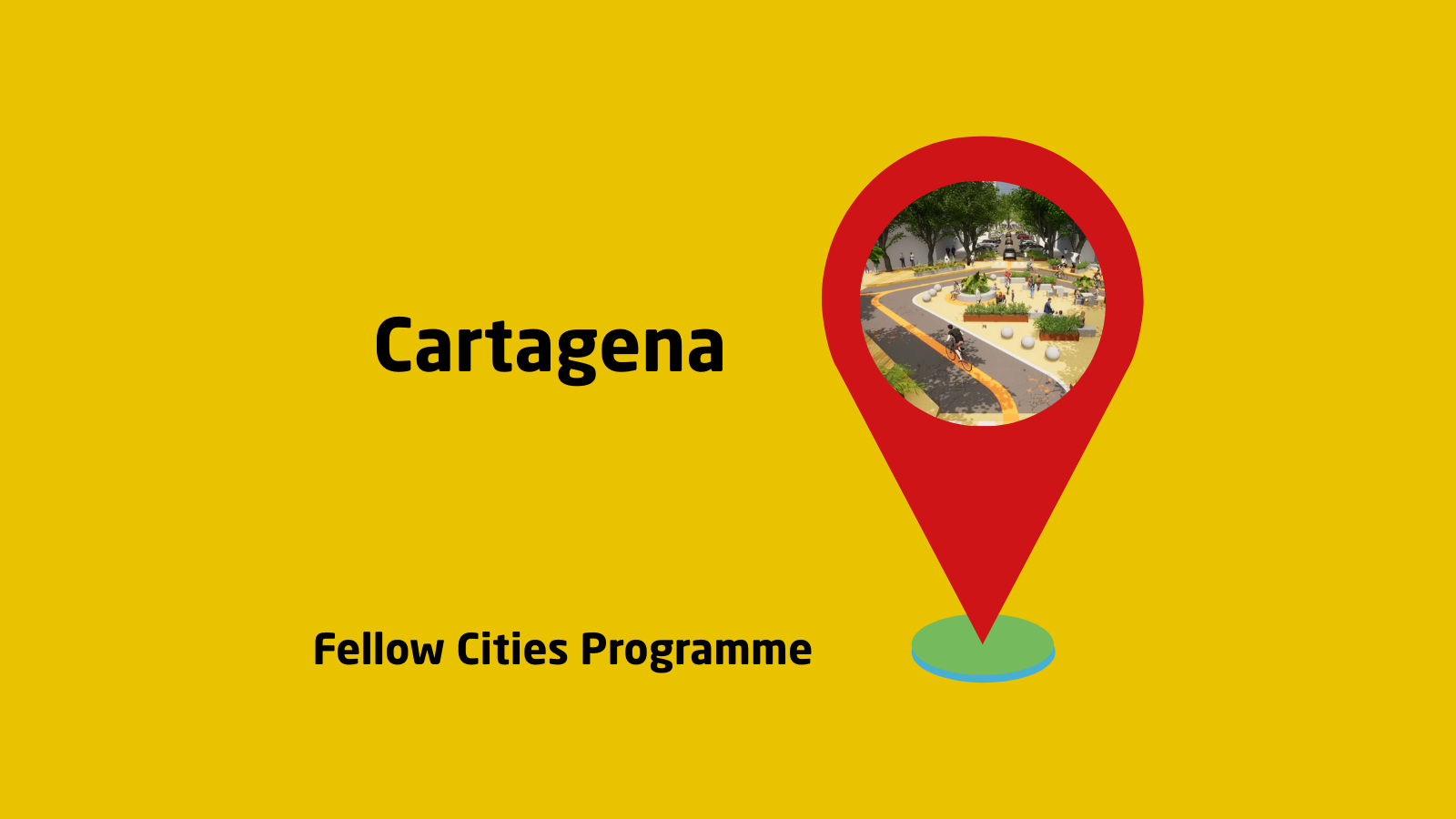
Cartagena is a Mediterranean city of approximately 220,000 inhabitants, facing extreme summer heat and strong car dependency. The city is strongly committed to climate adaptation, sustainable mobility, and digitalisation, and has chosen the Ensanche Superblocks model as a key strategy to reclaim public space while reducing emissions.
Cartagena joined WeGenerate as a Fellow City aiming to:
- Reduce traffic-related air pollution and noise
- Return street space to pedestrians without imposing harsh restrictions
- Use digital tools and real-time data to support evidence-based urban transformation
- Strengthen citizen participation through transparent monitoring
The city has already deployed an extensive sensor network within its low-emission zone, monitoring air quality, particulate matter, noise, traffic volumes, vehicle types, and speeds. The city expanded from 4 to 28 air quality monitoring stations, collecting continuous data that feeds into municipal platforms and a central data lake.
Innovative solutions such as smart pedestrian crossings, smart bike lanes, and automated access control for low-emission zones are already operational. The Superblocks project is technically ready for implementation and closely aligned with the WeGenerate ecosystem.
The full implementation of the Superblocks is planned for 2026–2027, subject to final financing. In parallel, Cartagena will continue refining its digital twin models, using real-time environmental and mobility data to optimise urban design and policy decisions. The city aims to demonstrate how urban planning can reduce emissions while improving quality of life in hot-climate cities.
SHARE THIS ARTICLE